
Air Conditioner Maintenance Planning: How to Keep Your System Running Smoothly
- john kormash
- Dec 1
- 4 min read

Proper air conditioner maintenance planning is essential for keeping your cooling system efficient and reliable. Regular upkeep prevents breakdowns, extends the life of your unit, and ensures comfortable indoor temperatures. In this post, I will share practical advice on how to plan your AC maintenance schedule effectively.
Why Air Conditioner Maintenance Planning Matters
Scheduling regular maintenance for your air conditioner helps avoid unexpected failures. It also improves energy efficiency, which can lower your utility bills. When you plan ahead, you can address minor issues before they become costly repairs.
Maintenance includes cleaning or replacing filters, checking refrigerant levels, inspecting electrical components, and ensuring the system operates safely. Without a plan, these tasks may be overlooked, leading to poor performance and higher expenses.
A well-maintained AC unit also contributes to better indoor air quality. Dust and allergens are reduced when filters are clean, which benefits everyone in the building.

Steps for Effective Air Conditioner Maintenance Planning
To create a solid maintenance plan, follow these steps:
Set a Regular Schedule
Decide on specific times of the year to perform maintenance. Spring and fall are ideal because they prepare your system for heavy use in summer and winter.
Create a Checklist
List all the tasks that need to be done during each maintenance visit. This includes filter changes, coil cleaning, thermostat calibration, and checking for leaks.
Hire a Professional Technician
Some tasks require specialized knowledge and tools. A licensed HVAC technician can perform thorough inspections and repairs safely.
Keep Records
Document each maintenance visit, noting what was done and any issues found. This history helps track your system’s condition over time.
Plan for Emergencies
Have contact information for a trusted HVAC service provider ready. Quick response can prevent minor problems from escalating.
By following these steps, you ensure your air conditioner remains in good working order year-round.
How often does an AC need to be serviced?
The frequency of servicing depends on several factors, including the type of system, usage, and environment. Generally, it is recommended to have your air conditioner serviced at least once a year.
For homes and businesses in Volusia County, Florida, where humidity and heat are high, scheduling maintenance twice a year is beneficial. Spring service prepares the system for summer, while fall service ensures it is ready for cooler months.
If your AC unit is older or used heavily, more frequent checks may be necessary. Signs that your system needs servicing include:
Reduced cooling efficiency
Strange noises or odors
Increased energy bills
Frequent cycling on and off
Regular servicing helps catch these issues early and keeps your system running efficiently.
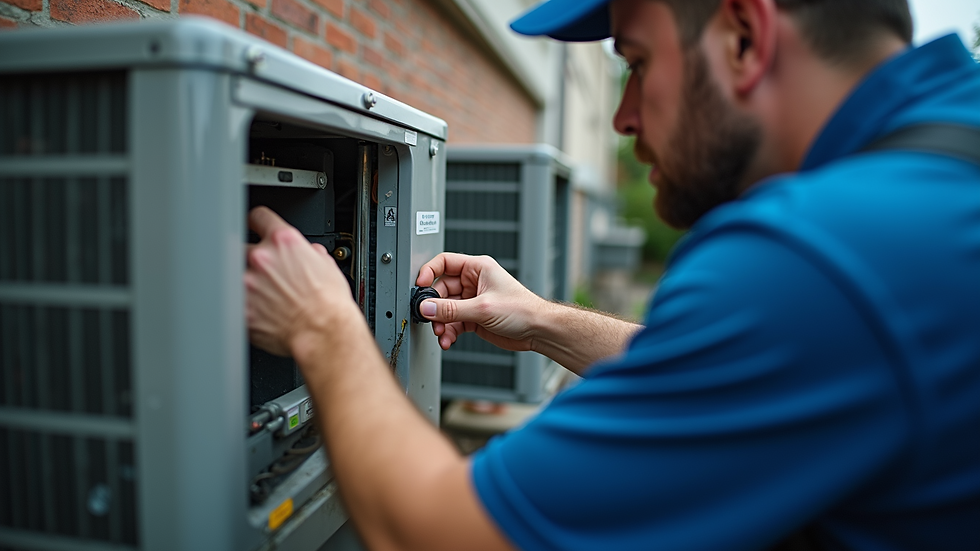
What Tasks Are Included in AC Maintenance?
A comprehensive maintenance visit covers several key areas:
Filter Cleaning or Replacement
Dirty filters restrict airflow and reduce efficiency. Replace or clean filters every 1-3 months depending on usage.
Coil Cleaning
Evaporator and condenser coils collect dirt over time. Cleaning them improves heat exchange and system performance.
Checking Refrigerant Levels
Low refrigerant can cause the system to work harder and fail prematurely. Technicians check and recharge if needed.
Inspecting Electrical Components
Loose or damaged wiring can cause malfunctions or safety hazards. All connections should be tight and secure.
Thermostat Calibration
Ensuring the thermostat reads and controls temperature accurately helps maintain comfort and efficiency.
Drain Line Cleaning
The condensate drain removes moisture from the system. Blockages can cause water damage or mold growth.
Lubricating Moving Parts
Proper lubrication reduces wear and noise in motors and fans.
Performing these tasks regularly keeps your air conditioner in top condition and prevents costly repairs.
How to Use an AC Maintenance Schedule Effectively
Using an ac maintenance schedule helps you stay organized and consistent. Here are some tips:
Set Reminders
Use a calendar or smartphone app to remind you of upcoming maintenance dates.
Book Professional Service Early
Schedule appointments before peak seasons to ensure availability.
Combine Tasks
Plan to do filter changes yourself monthly and schedule professional visits for more complex tasks.
Review System Performance
After each maintenance, note any improvements or ongoing issues.
Adjust Schedule as Needed
If your system is older or experiences heavy use, increase maintenance frequency.
By following a clear schedule, you reduce the risk of unexpected breakdowns and maintain comfort throughout the year.
Preparing for Seasonal Changes with Maintenance
Seasonal changes affect how your air conditioner operates. Preparing your system for these changes is part of good maintenance planning.
Before Summer
Clean or replace filters, check refrigerant, and inspect the outdoor unit. This ensures your AC can handle the heat.
Before Winter
Even if you don’t use cooling much, inspect the system for any damage and clean components. This prevents issues when you start using heating or cooling again.
After Storms
Coastal areas like Volusia County can experience storms that damage outdoor units. Inspect for debris, corrosion, or physical damage.
Regular seasonal maintenance keeps your system reliable and efficient.
Planning your air conditioner maintenance is a straightforward way to protect your investment and maintain comfort. By following a clear schedule and working with trusted professionals, you can avoid costly repairs and enjoy efficient cooling year-round. Use the resources available to you and stay proactive about your system’s care.
Comments